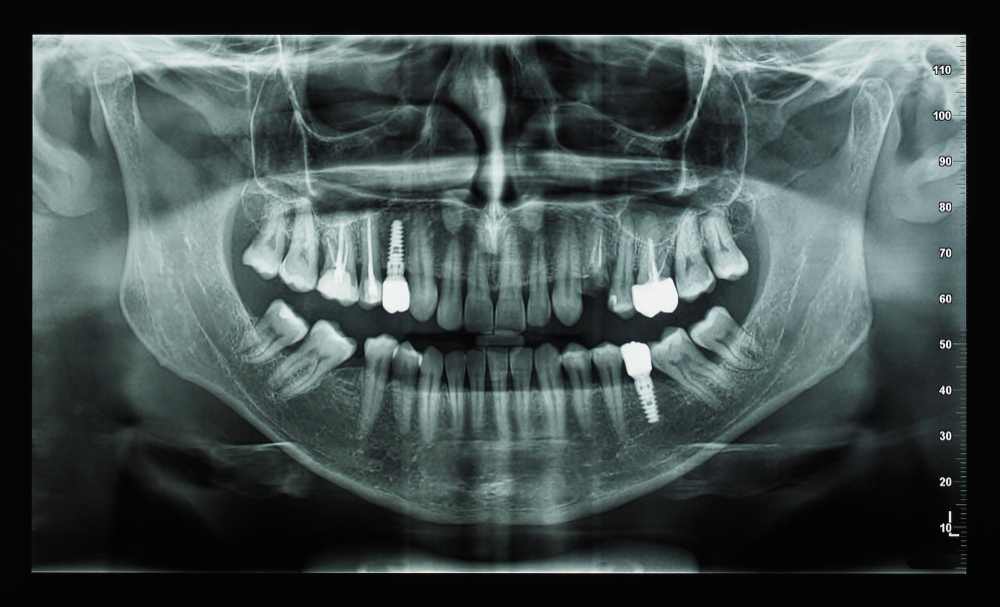
Digital dental X-rays use about 50% less radiation than traditional film—and up to 60% less than older methods. (1)
Digital sensors substantially reduce radiation dose in dental radiography, achieving approximately 50% dose reduction compared to F-speed film or photostimulable phosphor (PSP) plates, and even greater reductions compared to older film technologies.
Magnitude of dose reduction. Direct digital sensors (using complementary metal-oxide semiconductor technology) provide the greatest dose reduction among intraoral imaging modalities. For a full-mouth radiographic examination with rectangular collimation, digital sensors deliver an effective dose of approximately 0.2 mGy to the thyroid compared to 0.4 mGy with F-speed film or PSP plates. Studies show digital systems reduce radiation dose to approximately 52% of conventional film levels, with some reporting reductions up to 60% compared to obsolete D-speed film. A nationwide survey documented that patient radiation dose from intraoral imaging decreased from 1.9 mGy in 1993 to 0.9 mGy in 2014-2015, with digital imaging adoption being a major contributor to this reduction.
Request an AppointmentBenavides E, Bhula A, Gohel A, Lurie AG, Mallya SM, Ramesh A, Tyndall DA. Patient shielding during dentomaxillofacial radiography: Recommendations from the American Academy of Oral and Maxillofacial Radiology. J Am Dent Assoc. 2023 Sep;154(9):826-835.e2. doi: 10.1016/j.adaj.2023.06.015. Epub 2023 Aug 1. PMID: 37530694.